
Travel opens our eyes, broadens our minds, and connects us with the world beyond our everyday lives. But if done without care, it can also contribute to the climate crisis, cultural erosion, and environmental degradation. As the world faces compounding ecological threats, the way we travel matters more than ever. Sustainable travel isn’t just a trend—it’s a necessity.
The Environmental Footprint of Travel
Tourism contributes around 8% of global carbon emissions. That number includes transportation (especially aviation), hotel energy use, and food consumption. Long-haul flights are particularly damaging, releasing significant amounts of CO₂ high in the atmosphere where they do the most harm.
Beyond emissions, travel can degrade ecosystems. Popular destinations experience overtourism, which often leads to pollution, waste, water shortages, and habitat destruction. For example, in places like Venice, Barcelona, and Machu Picchu, the sheer volume of visitors has overwhelmed infrastructure and threatened cultural and natural sites.
Sustainable travel asks us to recognize these impacts—and adjust our behavior to reduce them.
The Social Cost of Mass Tourism
Traditional tourism often benefits large corporations more than the communities hosting travelers. All-inclusive resorts, cruise ships, and international hotel chains may employ locals, but profits are usually funneled back to global headquarters.
This extractive model leaves behind minimal positive impact. In contrast, sustainable travel emphasizes:
- Supporting locally owned businesses.
- Staying in community-run accommodations.
- Eating at restaurants that source ingredients locally.
- Joining tours led by residents who share their history and culture.
This way, tourism becomes a tool for cultural preservation and economic justice—not just a form of leisure.
Why Sustainable Travel Is a Win-Win
When done right, travel can uplift people and protect the planet. Here’s how:
It Reduces Emissions
While travel inherently produces some emissions, you can significantly reduce your impact by:
- Taking trains or buses instead of flights.
- Choosing non-stop routes to avoid extra takeoffs and landings.
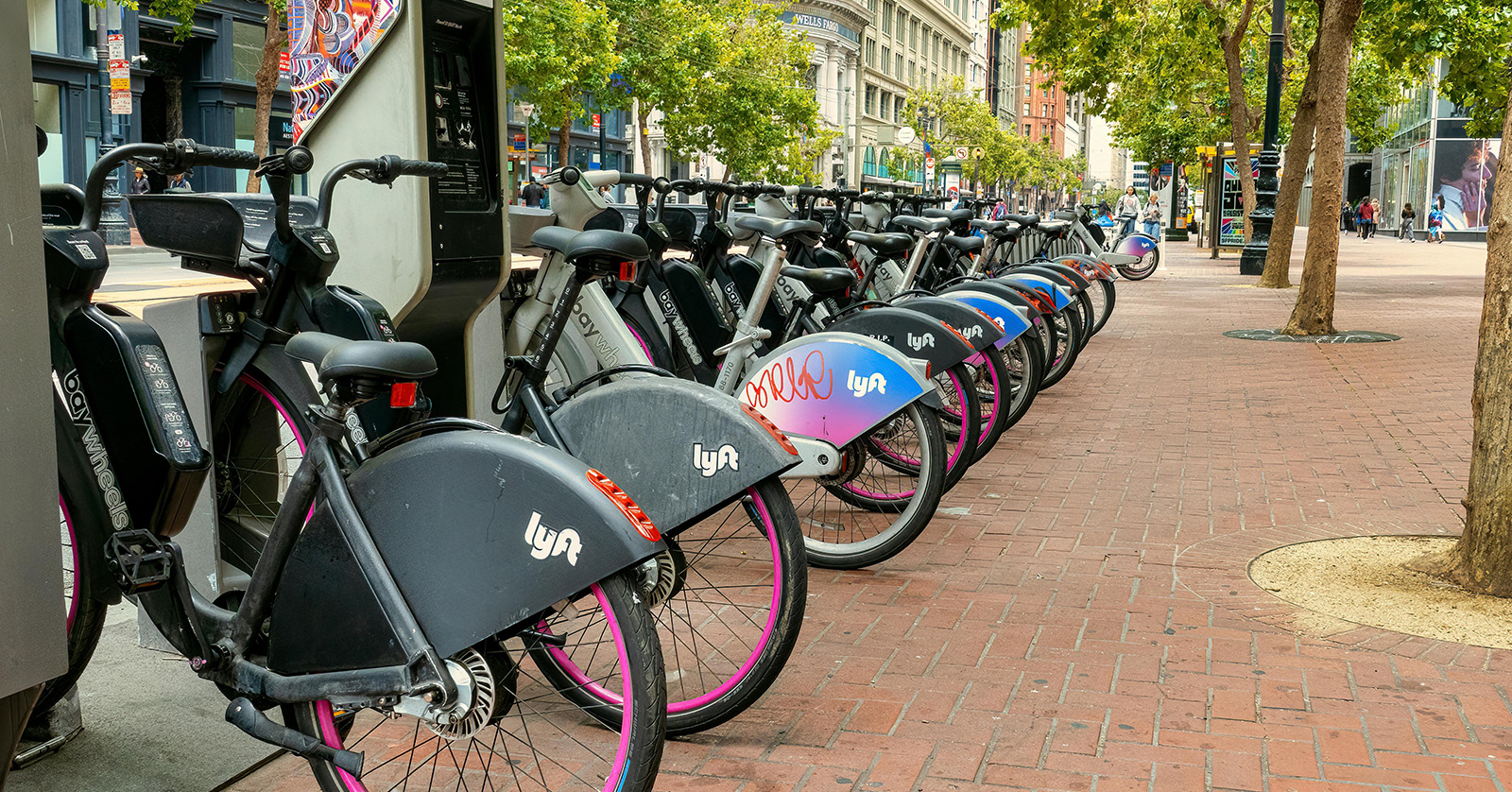
- Walking, biking, or using public transit once you arrive.
- Staying longer in one place instead of hopping from city to city.
Carbon offset programs offer a way to balance out the emissions you can’t avoid—though experts agree offsets should complement, not replace, actual reduction strategies.
It Preserves Natural and Cultural Heritage
Sustainable tourism actively works to protect what makes destinations unique:
- Respecting wildlife and avoiding exploitative attractions like elephant rides or roadside zoos.
- Visiting national parks with a leave-no-trace mindset.
- Following local customs and asking before taking photos.
- Supporting initiatives that preserve traditional art, language, and food.
When travelers behave responsibly, they become stewards—not spectators—of the places they visit.
It Supports Local Economies
Tourism can be one of the most powerful tools for economic growth, especially in rural and under-resourced communities. Choosing ethical accommodations, guides, and vendors ensures money stays where it’s needed most.
Community-based tourism in countries like Thailand, Peru, and Kenya has shown that when travelers prioritize local engagement, everyone benefits. Villagers gain income and pride, while travelers get deeper, more meaningful experiences.
Sustainable Travel Isn’t Always Easy—But It’s Worth It
Many travelers worry that sustainable options are less convenient or more expensive. Sometimes that’s true—but often, they’re simply less advertised.
For example:
- It might take longer to travel by train than fly, but the journey is often more scenic and relaxing.
- Eco-lodges may cost more upfront, but they typically include locally sourced meals, excursions, and unique cultural programming.
- Slow travel—staying longer in fewer places—can be more affordable and less stressful than a whirlwind itinerary.
The key is shifting your mindset. Instead of asking, “How can I do this trip as quickly and cheaply as possible?” ask, “How can I do it responsibly and consciously?”
Small Habits That Make a Big Difference
You don’t have to overhaul your lifestyle to travel more sustainably. Start with small, meaningful changes:
- Pack light. Less weight means lower fuel consumption.
- Bring reusables. A water bottle, utensils, tote bag, and shampoo bar can eliminate dozens of single-use items.
- Avoid plastic. Refuse plastic straws, bags, and packaging whenever possible.
- Stay somewhere eco-conscious. Look for hotels with sustainability certifications or green building practices.
- Eat plant-based. Animal agriculture is a leading driver of climate change, deforestation, and water pollution. Choosing plant-based meals—especially while traveling—can drastically lower your footprint.
- Offset your emissions. Use reliable carbon offset services that support renewable energy, reforestation, or methane capture projects.
- Buy local. From souvenirs to snacks, local purchases support communities and reduce shipping emissions.
- Do your research. Read up on cultural norms, environmental concerns, and sustainable practices in your destination before you go.
These habits add up—especially when multiplied by millions of travelers.
The Role of Tourism in Climate Solutions
The tourism industry has the potential to be a force for climate progress. Airlines are investing in sustainable aviation fuel. Hotels are integrating solar power, rainwater collection, and composting. Tour operators are designing low-emission itineraries that focus on local connection.
But these efforts need demand. When travelers choose sustainable experiences, they send a message to the market: we care about the planet.
Policy also plays a role. Governments can incentivize train travel, tax aviation fuel, protect fragile ecosystems, and enforce ethical labor standards. Advocacy from travelers helps build the political will to make those changes.
Rethinking What It Means to Explore
For many people, travel represents escape—an indulgence, a reward, or a bucket list item. But sustainable travel asks us to think differently. Instead of consuming destinations, we can participate in them. Instead of seeking comfort and convenience, we can welcome complexity and humility.
That shift doesn’t mean giving up the joy of travel. On the contrary—it makes travel more enriching. You’ll connect more deeply with locals. You’ll eat more authentic food. You’ll learn more about the world and your place in it.
The Future of Travel
The future of travel will depend on what we choose today. Will we continue to prioritize comfort over climate? Or will we use our mobility to model a more just, sustainable world?
The pandemic gave us a pause—and a glimpse of what’s possible. As air traffic halted and pollution levels dropped, wildlife reemerged in unexpected places. Now, as travel rebounds, we have an opportunity to rebuild differently.
Travel doesn’t have to be extractive. It can be regenerative—reviving cultures, restoring ecosystems, and renewing our sense of wonder and connection. But it requires intention.



Leave a Reply