
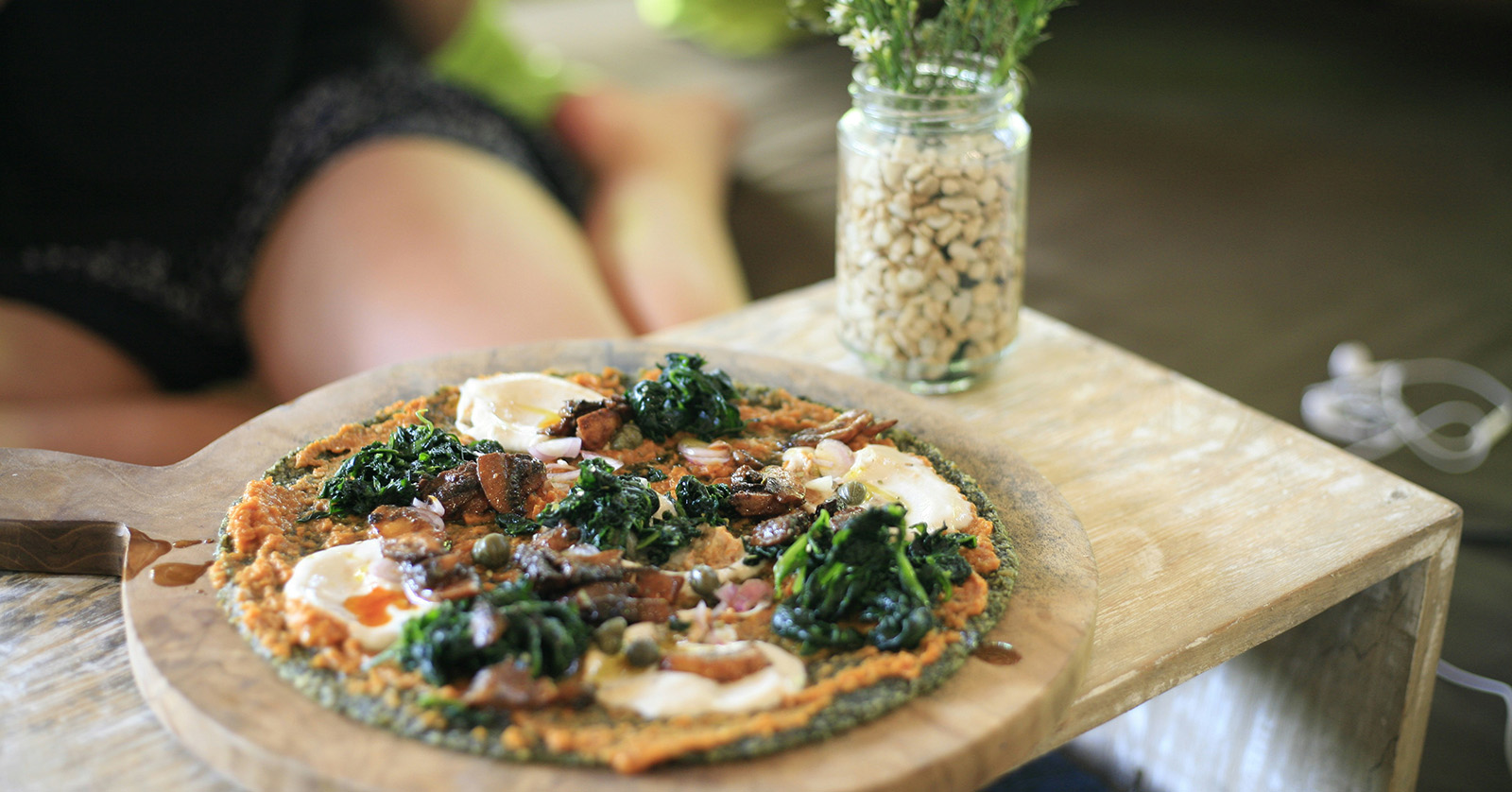
From offsetting carbon emissions to packing zero-waste toiletries, travelers are becoming more mindful of how their adventures affect the planet. But one of the most impactful—and often overlooked—ways to reduce your footprint on the road? Choosing plant-based meals.
The Climate Impact of Animal Agriculture
Animal agriculture is one of the largest contributors to climate change. It’s responsible for more greenhouse gas emissions than all the world’s planes, trains, and cars combined. Raising animals for food also demands massive amounts of land, water, and feed, making it one of the least efficient food systems on the planet. By skipping meat and dairy—even just once a day—you can significantly lower your carbon footprint. For travelers, that means dining at a vegan café in Paris or grabbing a veggie burrito at a rest stop can be more than just delicious—it can be an act of climate advocacy.
Conserving Water and Resources
The water needed to produce one hamburger is equivalent to taking a 90-minute shower. Meanwhile, plant-based foods like beans, grains, and vegetables require far less water and fewer resources to grow. When you’re traveling through areas facing drought or staying in regions with limited infrastructure, choosing plant-based meals can help conserve precious resources.
Protecting Biodiversity and Natural Habitats
Meat and dairy production are leading causes of deforestation and habitat destruction. Forests are cleared to make way for cattle grazing and to grow soy—most of which is fed to livestock, not humans. By eating plant-based, you support farming practices that leave more room for wildlife and protect ecosystems around the world, including the beautiful destinations you’re visiting.
The Bottom Line
Sustainable travel isn’t just about how you get somewhere—it’s about how you live while you’re there. By eating plant-based on your trips, you’re making a conscious choice that supports the planet, animals, and local communities. It’s better for the Earth, and it just might become your favorite way to experience new cultures and cuisines.



Leave a Reply