
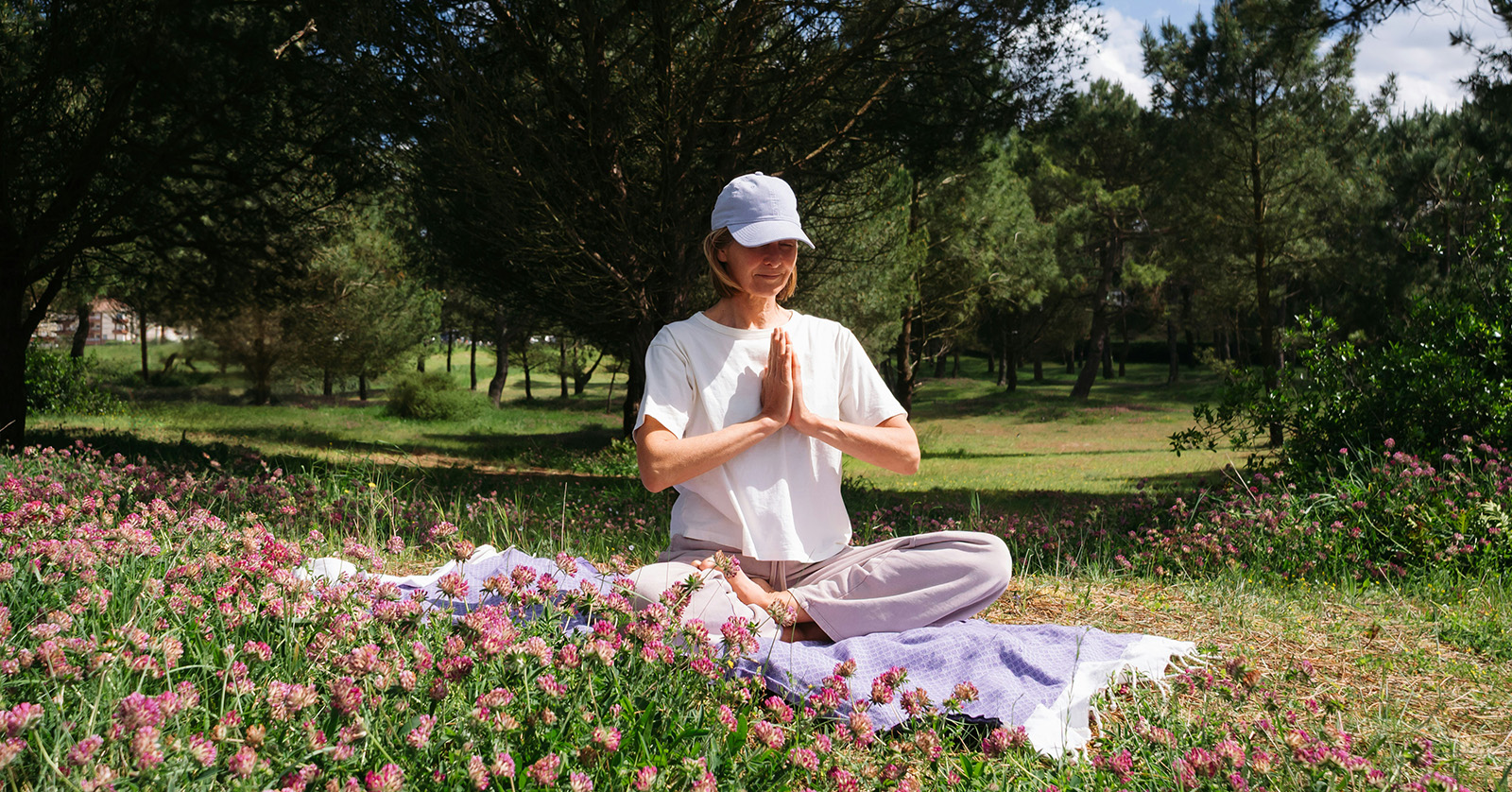
In a world where travel often equates to rushing from one sightseeing hot spot to the next, the concept of slow travel offers a refreshing alternative. Instead of checking off bucket-list items at a rapid pace, slow travel encourages travelers to immerse themselves in a destination, fostering deeper connections, mindfulness, and—perhaps most importantly—improved mental well-being.
What Is Slow Travel?
Slow travel is more than just a leisurely pace. It’s a philosophy that prioritizes quality over quantity, experience over speed, and connection over consumption. The idea is simple: spend more time in fewer places, engage with local culture and community, and allow yourself the space to truly breathe while traveling.
This approach isn’t just good for your soul; it’s also better for the planet. By spending more time in one location, you reduce your carbon footprint from frequent flights, car rentals, or other fast-paced transportation.
The Mental Health Benefits of Slow Travel
1. Reduced Stress and Anxiety
Rushing through destinations can leave travelers exhausted and overwhelmed. Slow travel allows you to set your own pace, giving your mind the chance to relax. When you’re not worrying about catching the next train or ticking off every monument, stress naturally diminishes.
2. Mindfulness and Presence
When you linger in a place—sipping coffee in a small café, walking through quiet streets, or spending hours in a local market—you become more present. This mindfulness encourages gratitude, reduces rumination, and enhances your overall sense of well-being.
3. Deeper Connections
Slow travel encourages meaningful interactions with locals and fellow travelers. Sharing stories, learning cultural practices, or participating in community projects not only enriches your experience but also fosters a sense of belonging, which is vital for mental health.
4. Greater Creativity and Reflection
When your schedule isn’t dictated by strict itineraries, your brain has space to wander and reflect. Many travelers report feeling more creative, inspired, and mentally rejuvenated after slow travel experiences.
Practical Tips for Embracing Slow Travel
- Stay Longer in One Place: Instead of hopping cities every few days, consider a week or more in a single town or neighborhood.
- Choose Local Accommodations: Rent an apartment or stay with local hosts to experience life more authentically.
- Walk, Bike, or Use Public Transport: Slower modes of transport help you notice details and reduce environmental impact.
- Limit “Checklist” Mentality: Focus on experiences that resonate with you rather than ticking off every landmark.
- Engage with the Community: Take part in workshops, local tours, or volunteer opportunities.
Slow Travel Is Sustainable Travel
Beyond mental wellness, slow travel is inherently eco-conscious. Less movement means lower carbon emissions, and longer stays often lead to supporting local businesses, artisans, and sustainable initiatives. In this way, your wellness journey also becomes a positive contribution to the world around you.
Slow travel invites us to redefine what it means to “see the world.” It’s not about quantity or speed—it’s about depth, presence, and connection. By slowing down, we not only reduce stress, increase mindfulness, and boost mental health, but we also travel more responsibly and sustainably.
Next time you plan a trip, consider moving less and experiencing more. Your mind—and the planet—will thank you.
Disclaimer: This content is for informational purposes only and is not a substitute for professional medical or mental health advice. Travel, wellness, and sustainability tips may vary by personal circumstances. Consult relevant professionals before making decisions that could affect your health or safety. Planetly Travel is not responsible for any outcomes from using this information.




Leave a Reply